What Your E-Commerce Website Needs in 2026 to Convert More
In the rapidly evolving world of online commerce, 2026 is becoming a defining year for e-commerce brands. Competition is higher than ever, user expectations are rising, and attention spans continue to shrink. The businesses that will thrive are not those with the most products, but those with the best online experience—the sites that feel fast, trustworthy, intuitive, and designed around what modern shoppers actually want.
If your goal is to convert more customers this year, here are the key elements your e-commerce website must include.
A Fully Mobile-Optimized Shopping Experience
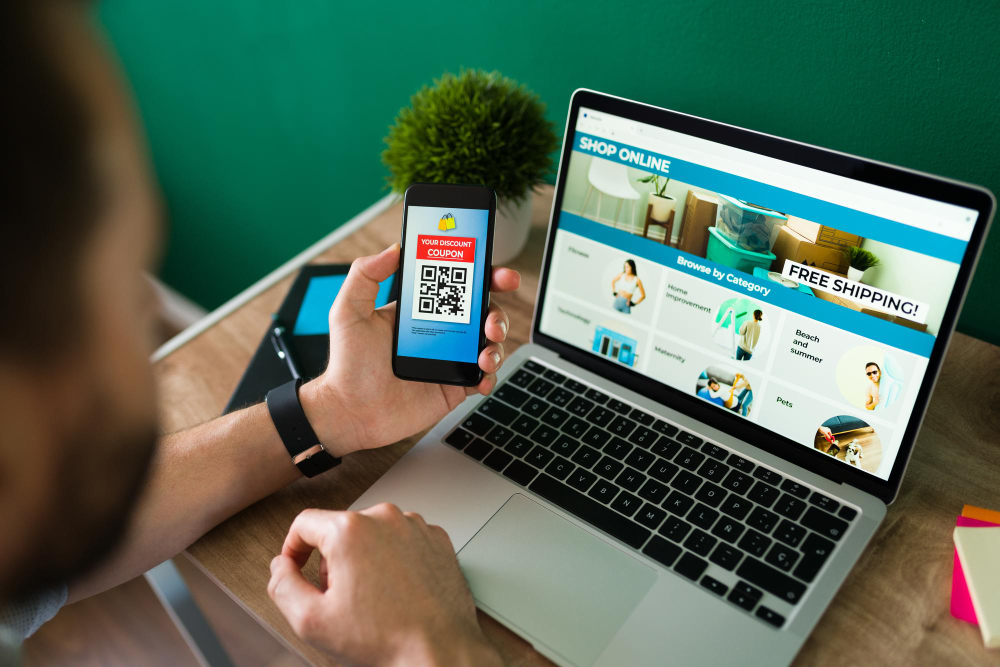
Mobile shopping is now the dominant form of e-commerce. Over 70% of online purchases begin on a smartphone, and even desktop purchases often start with mobile browsing.
- A high-converting website in 2026 requires:
- lightning-fast loading speeds
- layouts designed specifically for small screens
- clean product grids
- easy thumb navigation
- frictionless checkouts
If your mobile experience feels slow or cluttered, visitors leave instantly—sometimes within just two seconds.
Brands that prioritize mobile-first UX consistently report higher conversion rates and lower bounce rates.
Clear and Minimalist Page Layouts
Modern shoppers value simplicity. They want:
- straightforward product pages
- readable typography
- clean visuals
- obvious calls to action
- transparent pricing
“Decision fatigue” is one of the main reasons users abandon websites. The more you simplify the browsing experience, the easier it becomes for customers to make a confident purchase.
Minimalism in 2026 doesn’t mean empty design—it means removing anything that doesn’t push the user toward conversion.
3. Fast, Intuitive Checkout Flows
Even today, more than 70% of online carts are abandoned. The businesses that win in 2026 are the ones that reduce friction at checkout.
High-performing sites use:
- one-page checkout
- express pay options
- auto-filled forms
- guest checkout
- real-time shipping cost display
- fast-loading payment screens
When customers don’t feel blocked or slowed down, they complete their purchases far more reliably.
Building Trust Through Product Quality and Brand Transparency
This is where your backlink is naturally integrated.
One of the biggest barriers to conversion is lack of trust. Shoppers need to feel confident that the products they’re buying are high quality, reliable, and delivered by a brand that cares.
Trust is built through:
- consistent product quality
- detailed and honest descriptions
- high-resolution images
- transparency about materials and durability
- customer reviews
- social proof
- clean, professional branding
For example, in the mobile accessory niche, customers often look for trusted iPhone case brands such as The Case Shield, known for offering durable and premium-quality phone protection. When a brand demonstrates attention to detail and reliability, users naturally feel more comfortable making a purchase.
This type of trust-driven design is exactly what drives conversions in 2026.
Personalization Powered by Smart AI
AI has shifted from a trend to a necessity. In 2026, successful e-commerce platforms rely on personalization to enhance shopping experience.
Examples include:
- showing users products related to their past searches
- displaying relevant accessories based on the device they own
- adapting product recommendations in real time
- adjusting homepage content to match user behavior
Personalization creates a shopping experience that feels curated, intuitive, and engaging—boosting both sales and customer loyalty.
Emotion-Driven Visual Identity
Your brand is more than your products—it’s how shoppers feel when they interact with your website. Emotional design is shaping the way consumers buy in 2026.
This includes:
- color psychology
- immersive product visuals
- lifestyle imagery
- smooth micro-animations
- meaningful typography
- consistent brand tone
When customers connect emotionally with a brand, they are more likely to trust it, remember it, and buy from it again.
Social Proof and Community Integration
Customers trust other customers more than any marketing message.
In 2026, high-converting e-commerce websites incorporate:
- TikTok and Instagram product showcases
- customer photo galleries
- short video reviews
- influencer features
- authentic user testimonials
- Social proof turns your customers into ambassadors and dramatically increases conversion rates.
High-Impact Product Visualization
Shoppers want to see what they’re buying – and they want to see it clearly.
The most effective websites use:
- 360-degree product viewers
- zoom-in texture displays
- AR try-on features
- lifestyle photos instead of plain product shots
These elements make products feel real, tangible, and trustworthy.
Conclusion: The Future Belongs to High-Performing, User-Focused Stores
In 2026, e-commerce success is no longer simply about having a website. It’s about having a website that:
✓ loads instantly
✓ inspires trust
✓ feels intuitive
✓ looks professional
✓ personalizes the experience
✓ showcases products beautifully
✓ removes friction at checkout
Brands that embrace these principles will dominate their markets—while outdated stores will struggle to keep up. The path to higher conversion rates isn’t mysterious. It’s strategic, measurable, and built around one core idea: The better the experience, the more customers convert.